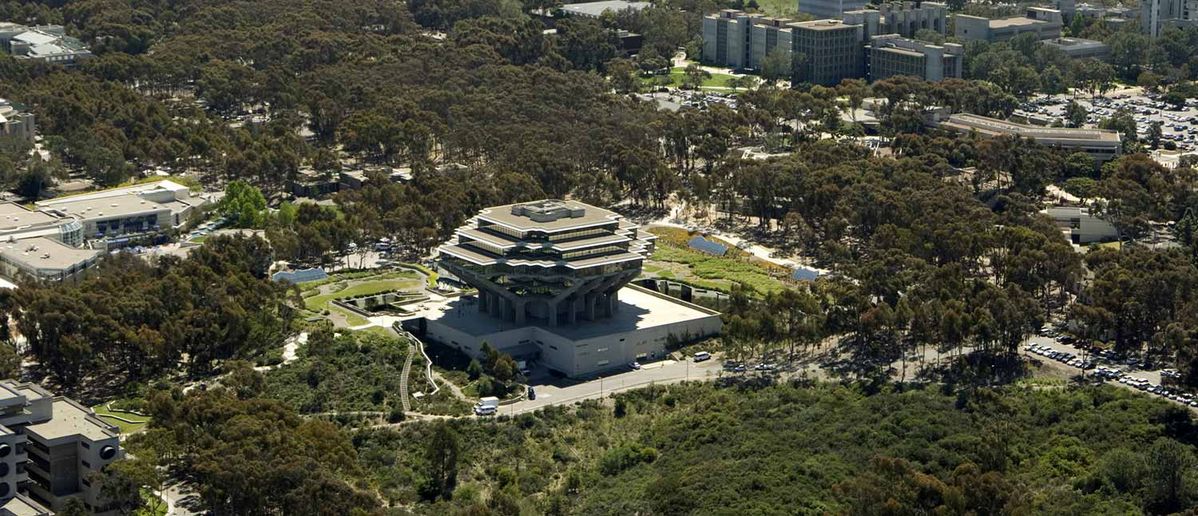
The University of California, San Diego (UCSD) has long been recognized as a prestigious institution, attracting high-achieving students from across the nation. As a UCSD alum, I am particularly invested in understanding the academic experiences of students entering the university. Recent data indicates a concerning trend: a significant portion of UCSD's incoming freshmen are arriving underprepared for college-level coursework. This phenomenon raises critical questions about the effectiveness of holistic admissions processes and their impact on student readiness. Moreover, this report will delve into how preparedness is evaluated and supported after admission.
The University of California system requires incoming freshmen to complete a math placement test to assess their readiness for college-level math courses. In turn, the results of this test determine the initial math course placement for students. At UCSD, a significant number of students are being placed into remedial or lower-level math courses, indicating a gap in their preparedness for college-level math.
| Placement Entering Fall | FA20 | FA21 | FA22 | FA23 | FA24 | FA25 | ||||||
|---|---|---|---|---|---|---|---|---|---|---|---|---|
| Number | Percent | Number | Percent | Number | Percent | Number | Percent | Number | Percent | Number | Percent | |
| Math 2 | 32 | 0.50% | 191 | 2.50% | 390 | 6.00% | 490 | 7.00% | 528 | 7.20% | 665 | 8.50% |
| Math 3B | NA | NA | NA | NA | NA | NA | NA | NA | 388 | 5.30% | 256 | 3.30% |
| Math 3C | 532 | 8.20% | 979 | 13.00% | 1136 | 17.30% | 953 | 13.60% | 257 | 3.50% | 111 | 1.40% |
| Math 4C | 333 | 5.20% | 347 | 4.60% | 326 | 5.00% | 448 | 6.40% | 403 | 5.50% | 251 | 3.20% |
| Math 10A or 4C | 71 | 1.10% | 82 | 1.10% | 101 | 1.50% | 141 | 2.00% | 149 | 2.00% | 173 | 2.20% |
| Math 10A (not 4C) | 410 | 6.40% | 563 | 7.50% | 517 | 7.90% | 586 | 8.40% | 555 | 7.60% | 516 | 6.60% |
| Math 20A | 722 | 11.20% | 760 | 10.10% | 523 | 8.00% | 606 | 8.70% | 536 | 7.30% | 691 | 8.90% |
| Math 20A or 10B | 391 | 6.10% | 423 | 5.60% | 338 | 5.20% | 373 | 5.30% | 397 | 5.40% | 359 | 4.60% |
| > Math 20A | 3114 | 48.30% | 3030 | 40.30% | 2062 | 31.50% | 2264 | 32.40% | 2981 | 40.70% | 3745 | 48.00% |
| No Placement (needs Math) | 22 | 0.30% | 159 | 2.10% | 238 | 3.60% | 214 | 3.10% | 244 | 3.30% | 173 | 2.20% |
| Does not need Math | 822 | 12.70% | 982 | 13.10% | 920 | 14.00% | 917 | 13.10% | 881 | 12.00% | 859 | 11.00% |
| Year Total | 6449 | 100.00% | 7516 | 99.90% | 6551 | 100.00% | 6992 | 100.00% | 7319 | 100.00% | 7799 | 100.00% |
| Math 2 | 32 | 0.50% | 191 | 2.50% | 390 | 6.00% | 490 | 7.00% | 528 | 7.20% | 665 | 8.50% |
| Math 3B | NA | NA | NA | NA | NA | NA | NA | NA | 388 | 5.30% | 256 | 3.30% |
The data above illustrates the distribution of math placements for incoming freshmen at UCSD from Fall 2020 to Fall 2025. While Math 2 was designed to be remidial, in 2023, the UCSD math department revised their courses to better align with the student needs. The math department noticed a growing learning gap among their incoming freshmen, prompting them to restructure Math 2 to focus entirely on elementary and middle school Common Core math subjects (grades 1-8). A notable, and alarming, trend is the growing percentage of students placed in Math 2 or no math placement at all, indicating an increasing number of students who are underprepared for college-level math. Conversely, there is a decline in the percentage of students placed in higher-level courses like Math 20A and above.
The holistic admissions process at UCSD considers various factors beyond academic metrics, such as extracurricular activities, personal essays, and letters of recommendation. While this approach aims to create a diverse and well-rounded student body, it may inadvertently admit students who are not academically prepared for the rigors of college-level coursework. The increasing number of students placed in remedial math courses suggests that the holistic review process may not adequately assess academic readiness, particularly in math.
| Measure | F2020 | F2021 | F2022 | F2023 | F2024 |
|---|---|---|---|---|---|
| Weighted High School GPA Percentile vs HR Score | -0.72 | -0.79 | -0.79 | -0.79 | -0.81 |
| Unweighted High School GPA Percentile vs HR Score | -0.63 | -0.71 | -0.69 | -0.67 | -0.69 |
The correlation coefficients in Figure 3 show a consistent decline in the relationship between high school GPA percentiles and holistic review scores over time.
This suggests that the holistic review process has become less aligned with academic performance, potentially indicating a mismatch between the criteria used in holistic review and actual academic readiness.
It is important to note that although this report highlights concerns regarding math preparedness, it does not imply that all students admitted through holistic review are underprepared.
Many students excel academically despite the challenges posed by holistic admissions criteria. General factors such as the quality of high school education during post pandemic years, access to resources, and individual student circumstances also play significant roles in academic readiness.
To address the challenges posed by the mismatch between holistic admissions and academic readiness, UCSD can leverage data analysis to inform policy changes and support mechanisms. By continuously monitoring math placement data and its correlation with holistic review scores, the university can identify trends and adjust admissions criteria accordingly. Additionally, UCSD can implement targeted support programs for students placed in remedial math courses, such as tutoring, workshops, and summer bridge programs, to enhance their preparedness for college-level coursework.